YOU ARE BOUVÉ

Precision health roles increasingly require professionals who can operate across the domains of health sciences, technology, and business. The MS in Precision Health at Northeastern University is one of the only programs of its kind in the United States, preparing graduates to work across the full precision health landscape by combining health sciences, data and technology, and business and policy into a single, integrated degree.
Designed with industry and validated by professionals across biotech, clinical research, diagnostics, and public health, the program produces graduates who can bridge the disciplines that precision health demands.
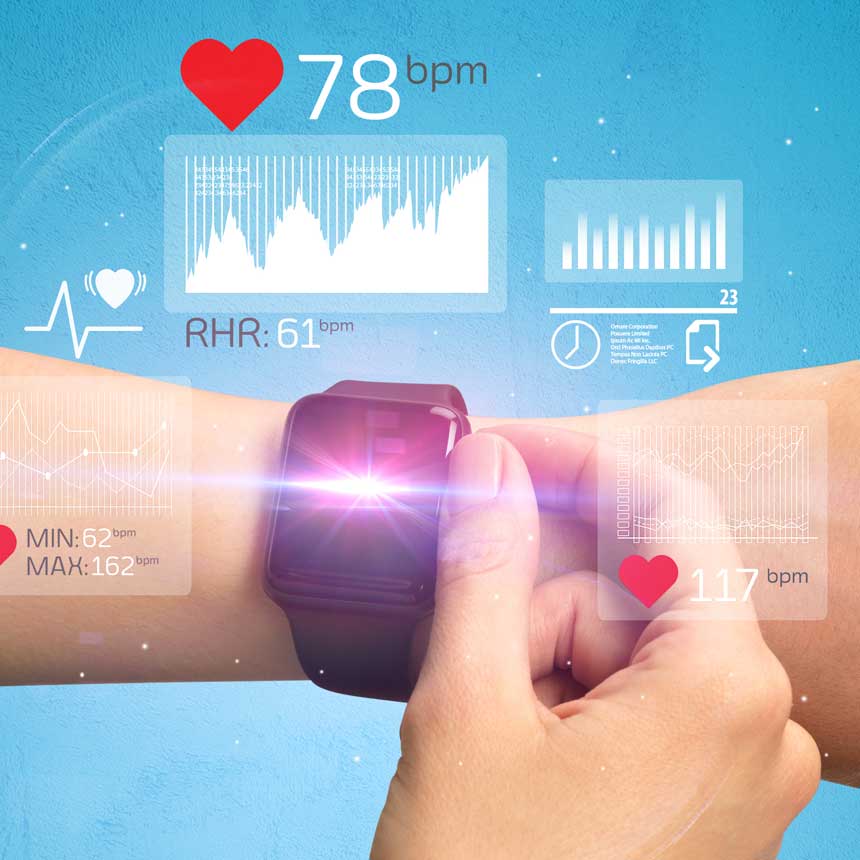

The MS in Precision Health prepares graduates to work at the intersection of health sciences, data and technology, business, and research–domains that converge for precision health innovations to reach patients.
The program builds interdisciplinary fluency through a flexible core, then allows students to specialize through one of three concentrations:
Students complete a capstone project and have the option to pursue a co-op placement. The program can be completed in as few as 12 months full-time.
Northeastern is uniquely positioned to deliver this program for several reasons. Apart from working on our curriculum with industry leaders, our course spans colleges, giving you a truly interdisciplinary perspective.
Finally, Boston is one of the top markets in the country for precision health roles, with a disproportionate concentration of biotech, pharma, diagnostics, and health technology employers, and Northeastern University is very well connected and positioned in this landscape.
Degree type: MS in Precision Health
Study options:
Full-time/part-time (12-24 months)
Entry: Fall/Spring entry
GRE: Not required
F1 Visa: Eligible
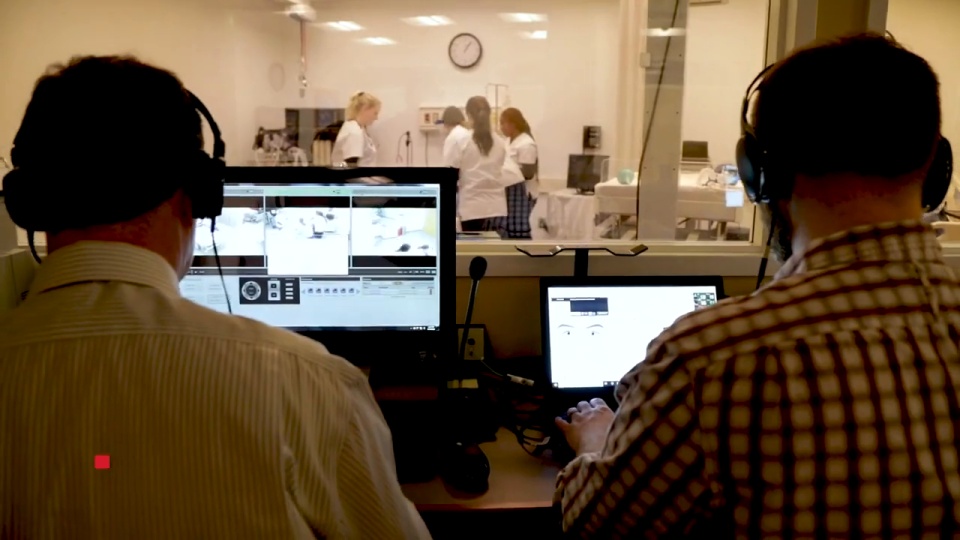
Our the curriculum was co-designed with industry stakeholders across biotech, clinical research, medical devices, diagnostics, and public health, maximizing alignment between the skills taught and required by employers.
* Please note: The curriculum is for sample purposes only, and is subject to change.
Our signature co-op model allows students to gain professional experience at organizations actively building precision health capabilities. The program also draws on faculty and coursework from multiple colleges (Bouvé College of Health Sciences, College of Science, and College of Professional Studies) giving students genuine interdisciplinary depth rather than a single-department perspective.


To apply, applicants must also have the following:
Application and application fee.
Two letters of recommendation (academic and professional)
Personal statement.
Resumé
Transcript from undergraduate institutions attended.
Transcripts from outside of the U.S. will require a course-by-course evaluation from WES, ECE, SpanTran, or Scholaro.
TOEFL or IELTS for applicants who do not hold a degree from a U.S. institution and whose native language is not English.
TOEFL – A 1–6 banded score scale will be introduced in January 2026 for the iBT TOEFL test. Please see the score breakdowns below for test takers before and after the updated score scale takes effect on January 21, 2026:
For exams taken before January 21, 2026: We prefer a minimum TOEFL iBT score of 100
For exams taken on or after January 21, 2026: We prefer a minimum TOEFL iBT score of 5