YOU ARE BOUVÉ
Drug discovery doesn’t wait for one discipline to catch up to another — it moves at the intersection of biology, chemistry, data, and AI. This program puts you right at that intersection: an interdisciplinary core built for how the field actually works, then a concentration that lets you go deep in the area that matters most to your career.
As biomedical advances open new approaches to global health challenges, professionals who combine interdisciplinary science with AI-enabled innovation are in demand.
Degree type:
– Master of Science in Pharmaceutical and Biomedical Sciences
Study options:
– On ground (Boston Campus)
– Fall semester admissions only
– Full-time
Application deadlines:
June 1 (Applicants seeking an F-1 student visa)
August 1 (Domestic applicants)
GRE: Optional
F1 Eligible: Yes
STEM-certified: Yes
*International students must be full-time only


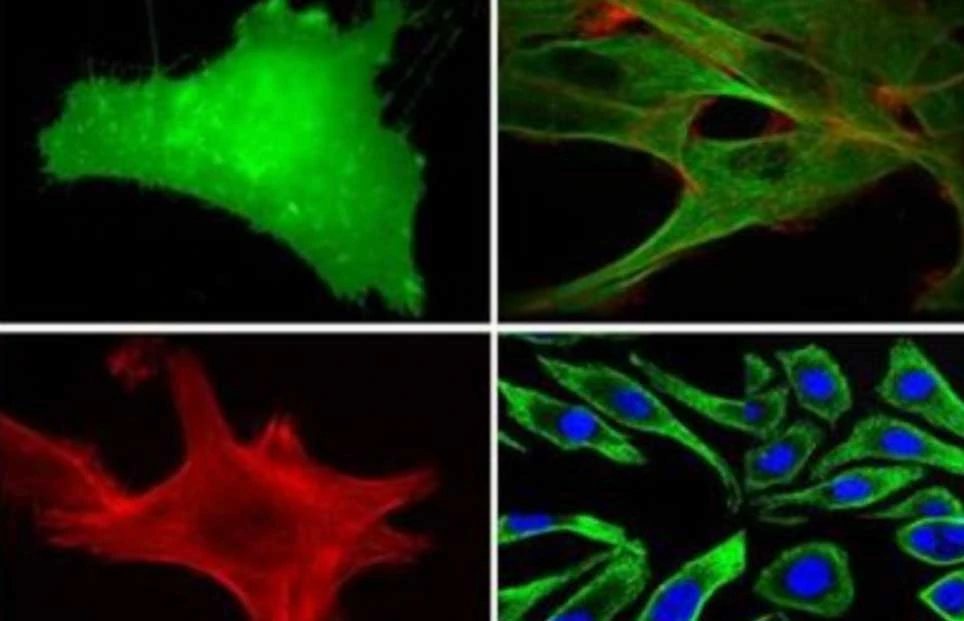
Some of the body’s most devastating conditions — cardiac arrhythmia, epilepsy, chronic pain, even sudden infant death syndrome — trace back to the same culprit: ion channels gone haywire. Leigh Plant’s lab is on the hunt for what’s going wrong and how to fix it, combining electrophysiology, super-resolution microscopy, and cryo-EM to expose disease mechanisms at the molecular level and identify new druggable targets.
Facutly spotlight
All MS students in the Department of Pharmaceutical and Biomedical Sciences complete a shared interdisciplinary core, and will specialize in one required concentration:
All Master’s programs in the Department of Pharmaceutical and Biomedical Sciences require a set of core courses taken by every MS student, regardless of program. In addition, students in each program complete a defined set of discipline-specific courses tied to their concentration, plus several general electives. The number of specialized and elective courses differs somewhat by concentration. The program covers 30 total semester hours.
“
This master’s program provides students with the in-depth technical training and research expertise needed to advance careers across the biotech, pharmaceutical, academic and healthcare sectors. Guided by faculty at the forefront of pharmaceutical and biomedical sciences, students gain hands-on experience in translational research in biotechnology, immunotherapy and precision medicine, drug discovery and formulation, advanced drug delivery systems, and AI/ML-enabled drug development.”
— Stephen M. Hatfield, PhD, Assistant Professor, Interim Program Director

Dr. Konry wants to know what a single cancer cell is doing, in real time, as it responds to treatment — and she’s built the lab-on-a-chip technology to actually watch it happen. As director of the Department of Pharmaceutical and Biomedical Sciences, her work sits at the center of where precision cancer treatment is headed next.
Facutly spotlight
Applicants must have at least one semester of undergraduate courses (or their equivalent) in each of the following:
Please send all required documents directly to the Northeastern University Application Portal.
NOTE: Applicants who are missing no more than one prerequisite course may be considered for conditional admission to the MS Program, provided they have satisfactorily completed the majority of the required prerequisites. Those admitted conditionally will be allowed to take undergraduate courses at Northeastern University concurrently with certain graduate courses. All prerequisite deficiencies must be resolved within the first year of graduate study.
A baccalaureate degree or its equivalent in biology, chemistry, medical technology, pharmacy, chemical engineering or a related field.
A minimum grade point average of 3.0 or higher
Two letters of recommendation (academic and professional; one from a current employer preferred)
Personal statement of goals and expectations.
Minimum 500 words. Please see application for details.
CV/Resumé
English proficiency for applicants whose native language is not English: TOEFL or IELTS required. Preferred minimum TOEFL iBT score of 5 (on the current 1–6 band scale, effective since January 21, 2026); IELTS Academic accepted. Waived for applicants from English-speaking countries, with a US degree, or instructed entirely in English.
GRE scores are optional
Official transcript from baccalaureate program and all college coursework. Applicants with degree coursework from institutions outside the US must submit a course-by-course credential evaluation (WES iCAP package).
Kira Talent video assessment — showcases communication, critical thinking, problem-solving, and collaboration skills (link sent after application submission)
If you have any additional questions about the graduate program please contact:
Department of Pharmaceutical & Biomedical Sciences
or