Most individuals who consider a career in healthcare know they want to work directly with patients. That desire can lead directly to interest in becoming a physician assistant.
But what are the different roles PAs can play in modern medicine?
With a master of science in physician assistant studies, graduates can pursue careers across a wide range of medical specialties and healthcare environments. From emergency departments to surgical teams, physician assistants assist in diagnosing illness, developing treatment plans, and helping patients navigate complex health challenges.
One of the defining characteristics of the profession is its versatility. Physician assistants are trained broadly in medicine, which allows them to work in many specialties and adapt their careers as healthcare needs evolve.
For students considering this path, understanding the range of career opportunities available can help clarify whether the profession aligns with their interests. Here, we’ll look at what doors PA-degree programs, such as Northeastern University Bouvé College of Health Sciences’ Physician Assistant (MS), commonly open for new graduates and the different career paths they can pursue.
What Careers Can You Pursue with a Master’s in Physician Assistant Studies?
Physician assistants practice medicine as part of physician-led healthcare teams. After completing an accredited PA program and passing the Physician Assistant National Certifying Exam (PANCE), graduates are licensed to diagnose illnesses, prescribe medications, assist with procedures, and help manage patient care.
Because their training covers a broad spectrum of medical knowledge, physician assistants can contribute to patient care in many areas of medicine.
Jason Parente, PA-C, a practicing physician assistant and PA program director at Northeastern, notes that this wide scope is one of the profession’s defining features.
“Physician assistants are integrated into all aspects of healthcare,” he explains, “from physical examinations and diagnosis to prescriptions and procedures.”
This broad clinical role allows physician assistants to work across specialties while supporting physicians and healthcare teams in delivering care. It’s also one of the reasons why physician assistant job growth is expected to be approximately 20% (2024-2034), according to the U.S. Bureau of Labor Statistics.

Common Physician Assistant Specialties
One of the most appealing aspects of the PA profession is the opportunity to work in many different areas of medicine. Physician assistants practice in nearly every medical specialty, helping healthcare teams evaluate patients, diagnose conditions, and provide treatment.
Below are several specialties where physician assistants commonly build careers.
Primary Care
Primary care remains one of the most common practice areas for physician assistants.
In this setting, PAs often serve as frontline healthcare providers, conducting routine exams, diagnosing common illnesses, and helping patients manage chronic conditions such as diabetes or hypertension.
Primary care physician assistants frequently work in family medicine practices, internal medicine clinics, and community health centers.
Because primary care focuses on long-term relationships with patients, many clinicians find this specialty particularly meaningful.
Emergency Medicine
Emergency medicine physician assistants work in fast-paced hospital emergency departments and urgent care centers.
Their responsibilities often include evaluating patients with injuries or sudden illness, ordering diagnostic tests, performing minor procedures, and stabilizing patients before additional treatment.
Emergency medicine appeals to clinicians who enjoy a dynamic clinical environment and the challenge of rapidly assessing patient conditions.
Surgery
Many physician assistants pursue careers in surgical specialties.
In these roles, PAs may assist surgeons in the operating room, prepare patients for procedures, manage post-operative care, and conduct follow-up visits.
Surgical physician assistants work in a variety of specialties, including orthopedic surgery, cardiothoracic surgery, and general surgery.
Dermatology
Dermatology is another field where physician assistants are increasingly in demand.
PAs working in dermatology diagnose and treat conditions such as acne, eczema, psoriasis, and skin cancer. They may also perform procedures such as biopsies or minor surgical treatments.
The combination of clinical care and procedural work makes dermatology an attractive option for many physician assistants.
Orthopedics
Orthopedic physician assistants focus on diagnosing and treating injuries and conditions affecting bones, joints, and muscles.
Their work may include evaluating fractures, assisting in orthopedic surgeries, and helping patients recover through rehabilitation and treatment planning.
Cardiology
In cardiology practices, physician assistants support physicians who treat heart and cardiovascular conditions.
PAs may evaluate patients experiencing heart symptoms, monitor chronic cardiovascular conditions, and assist with procedures or diagnostic testing.
Pediatrics
Pediatric physician assistants specialize in caring for infants, children, and adolescents.
In pediatric practices, PAs perform wellness exams, diagnose childhood illnesses, and work closely with families to support healthy development.
Psychiatry
Physician assistants are also increasingly working in behavioral and mental health settings.
In psychiatric practices, PAs may evaluate patients experiencing conditions such as anxiety or depression, help manage medications, and support treatment plans.
As the demand for mental health services grows, physician assistants are becoming an important part of behavioral healthcare teams.

Where Physician Assistants Work
Physician assistants practice in a wide range of healthcare environments.
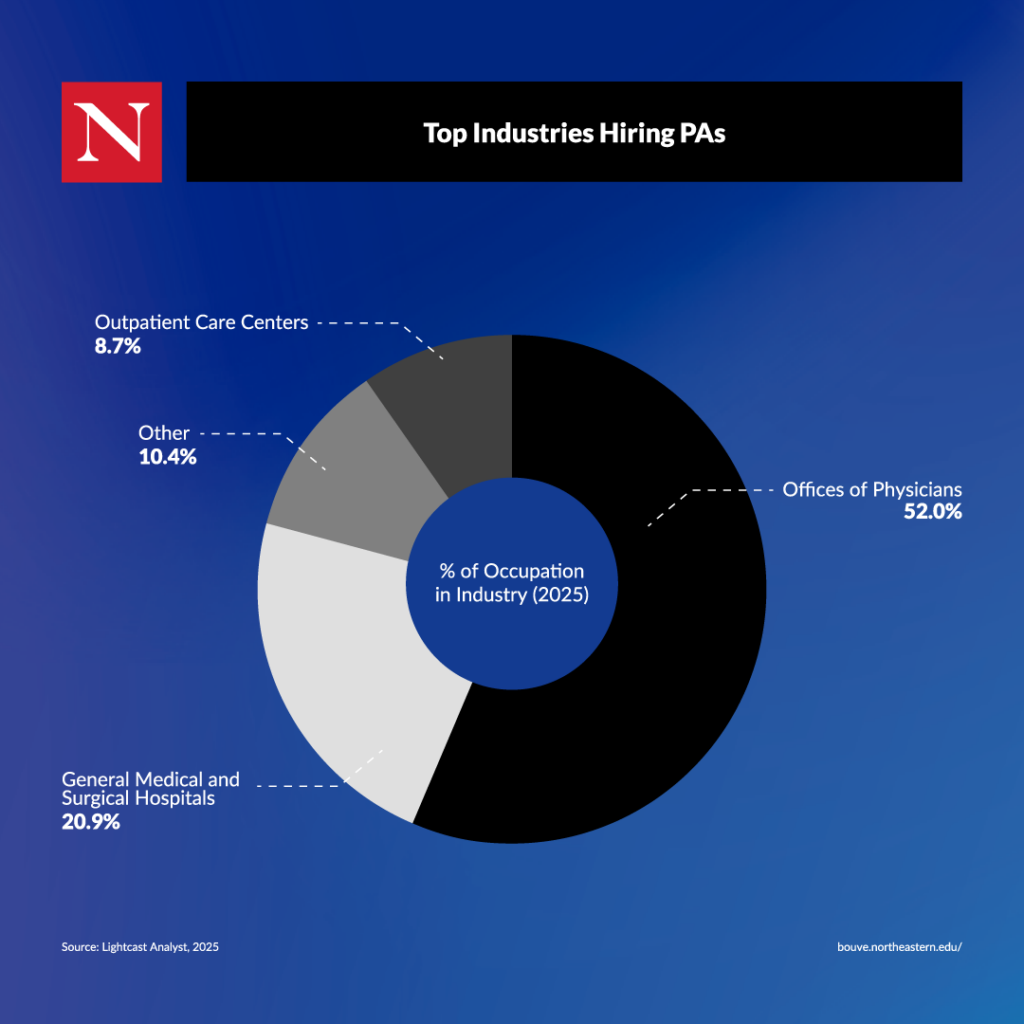
Hospitals remain one of the most common workplaces for PAs, particularly for those working in emergency medicine, surgery, or hospital-based specialties. However, many physician assistants work outside hospital systems in settings such as:
- Outpatient clinics
- Specialty practices
- Community health centers
- Urgent care facilities
Community health centers often rely heavily on physician assistants to provide care in underserved communities.
Telehealth is also expanding opportunities for physician assistants. As virtual healthcare services become more common, PAs are increasingly participating in remote consultations and patient monitoring.
Because physician assistants are trained to diagnose conditions and develop treatment plans, they can support healthcare delivery in many different types of clinical environments.
Career Flexibility: A Unique Feature of the PA Profession
Unlike many healthcare professions that require highly specialized training in a single area, physician assistants have the flexibility to move between specialties over time.
This flexibility allows clinicians to explore different fields of medicine throughout their careers.
Parente explains that this ability to shift roles is built into how physician assistants are trained.
“Flexibility and adaptability are key. This profession is built on ‘lateral mobility’—the ability to switch specialties without redoing your training.”
For example, a physician assistant might begin their career in emergency medicine before later transitioning into dermatology or cardiology.
According to the NCCPA Statistical Profile of Board Certified Physician Assistants, more than half of physician assistants report changing specialties at least once during their careers.
This ability to adapt career paths is one of the reasons many clinicians view the PA profession as a dynamic and evolving career.
Emerging Areas for Physician Assistant Careers
As healthcare continues to evolve, physician assistants are also entering new and emerging areas of medical practice.
One growing field is hospital medicine, where PAs help manage inpatient care within hospitals.
Physician assistants are also increasingly working in:
- Geriatric medicine, supporting aging populations
- Behavioral health services
- Specialty surgical practices
- Population health and preventive care
These emerging opportunities reflect broader trends in healthcare delivery and highlight the adaptability of the physician assistant profession.
How PA Programs Prepare You for These Careers
Preparing for such a wide range of career opportunities requires rigorous training.
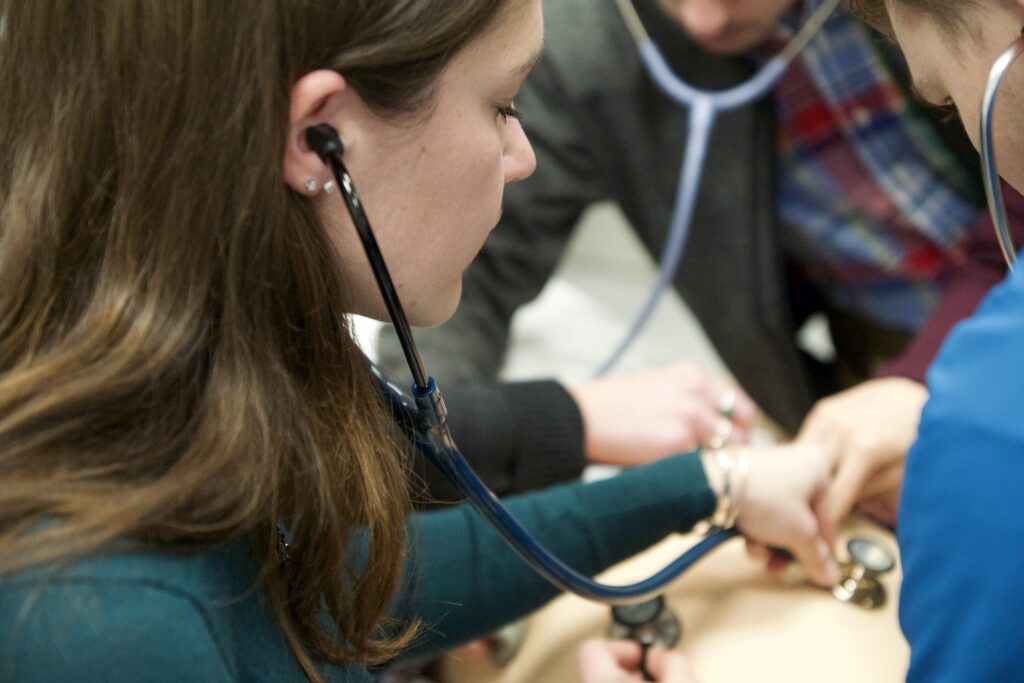
Most physician assistant programs combine medical science coursework with hands-on clinical experience. Students build a strong foundation in subjects such as anatomy, pharmacology, and clinical medicine before applying those concepts during clinical rotations.
Clinical rotations are an especially important part of PA education because they allow students to experience different specialties before entering the workforce.
Parente notes that these rotations often shape how students discover their career interests.
“The beauty of PA training is the year of clinicals where you get one-on-one patient interactions,” he says.
Through these experiences, students work with physicians and healthcare teams while gaining exposure to specialties such as surgery, emergency medicine, and primary care.

What Sets Northeastern’s PA Program Apart
Programs such as the Physician Assistant (MS) program at Northeastern University’s Bouvé College of Health Sciences combine academic coursework with extensive clinical training designed to prepare graduates for real-world healthcare environments.
Students first build a strong foundation in the medical sciences—including anatomy, pharmacology, pathophysiology, and clinical medicine—before progressing into hands-on clinical rotations across multiple specialties.
Several features distinguish the program’s approach to physician assistant education:
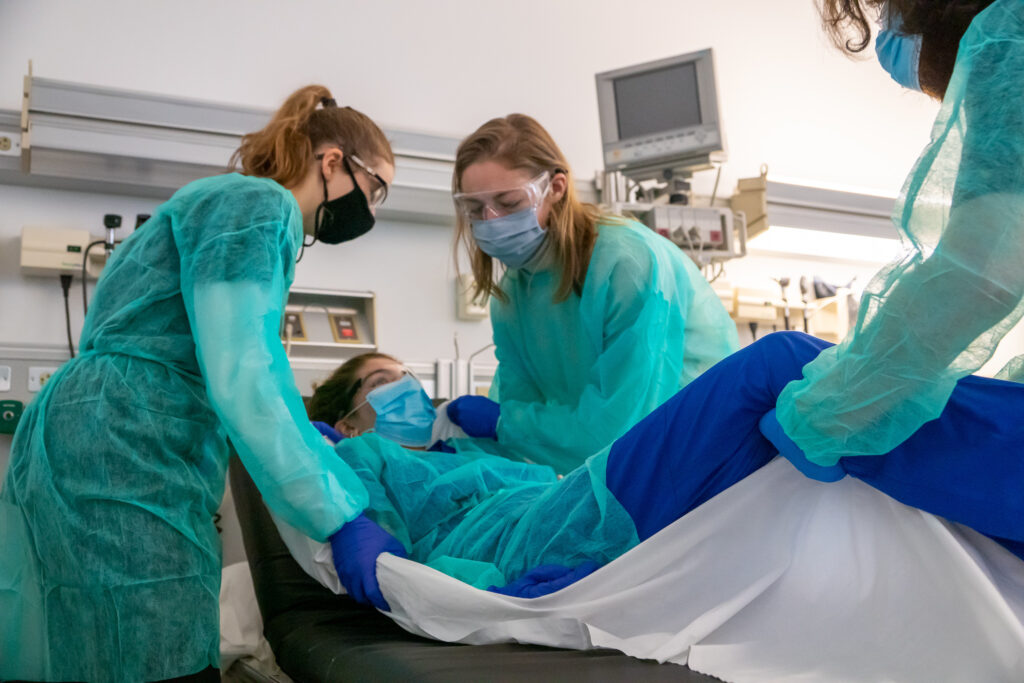
- Advanced simulation training that allows students to practice diagnosing conditions, responding to emergencies, and interacting with patients in realistic clinical scenarios before entering hospital environments.
- Extensive clinical partnerships across Boston, one of the nation’s leading healthcare hubs, providing access to major academic medical centers, community hospitals, and specialty practices.
- More than 50 years of experience educating physician assistants, creating long-standing relationships with healthcare organizations throughout the region.
- Exposure to a wide range of patient populations and clinical specialties, helping students build the experience needed to pursue careers in diverse healthcare settings.
Together, these academic and clinical experiences help prepare graduates to enter a wide range of medical specialties and healthcare environments.
Is a Career as a Physician Assistant Right for You?
For students interested in medicine, the physician assistant profession offers a career path that combines patient care, medical expertise, and professional flexibility.
A career as a physician assistant may be a good fit for individuals who:
- Enjoy working directly with patients
- Are interested in diagnosing and treating medical conditions
- Want the flexibility to explore multiple specialties
- Value a healthcare career that can evolve over time
Because physician assistants practice in so many different fields—from primary care and emergency medicine to surgery and dermatology—the profession offers a diverse and adaptable path within healthcare.
For those who decide to pursue this career, choosing the right training program is an important next step.
Programs such as the Physician Assistant (MS) program at Northeastern University’s Bouvé College of Health Sciences combine rigorous academic preparation with extensive clinical training and access to a wide network of healthcare institutions.
Located in Boston and supported by decades of experience educating healthcare professionals, the program prepares graduates to enter a growing and dynamic medical field.
Want to learn more about becoming a physician assistant?
Reach out and request more information about the program!