NU-PEL is an interdisciplinary, multigenerational lab comprised of faculty and student teams conducting culturally responsive and community-engaged evaluation research. The lab is a collaboration of the Institute on Health Equity and Social Justice Research (IHESJR) in Bouvé College of Health Sciences and the Center on Crime, Race, and Justice.
The overall vision of NU-PEL is to build community-academic partnerships to improve the well-being of communities through evaluation research and support. Driven by social justice and Community-Based Participatory Research frameworks, we bring together expertise and resources to advance our three pillars.
1
Build collaborations and share evaluation knowledge and expertise across Northeastern global community
2
Provide evaluation and consultative services to community organizations with the mission of improving the health, well-being, and safety of the people impacted by these organizations
3
Train undergraduate and graduate students in the techniques of program evaluation through experiential learning opportunities
NU-PEL’s team has over 20 years of professional program evaluation experience. Collectively, we have received funding from national, state, and local agencies including NSF, SAMHSA, NIJ, U.S. Department of Justice, NIH, NEA, Massachusetts Department of Public Health, Massachusetts Executive Office of Public Safety and Security, and Boston Public Health Commission.
In addition, NU-PEL has received support from the Robert Wood Johnson Foundation and the W.K. Kellogg Foundation.
Mark your calendar’s for our upcoming evaluation webinar series!

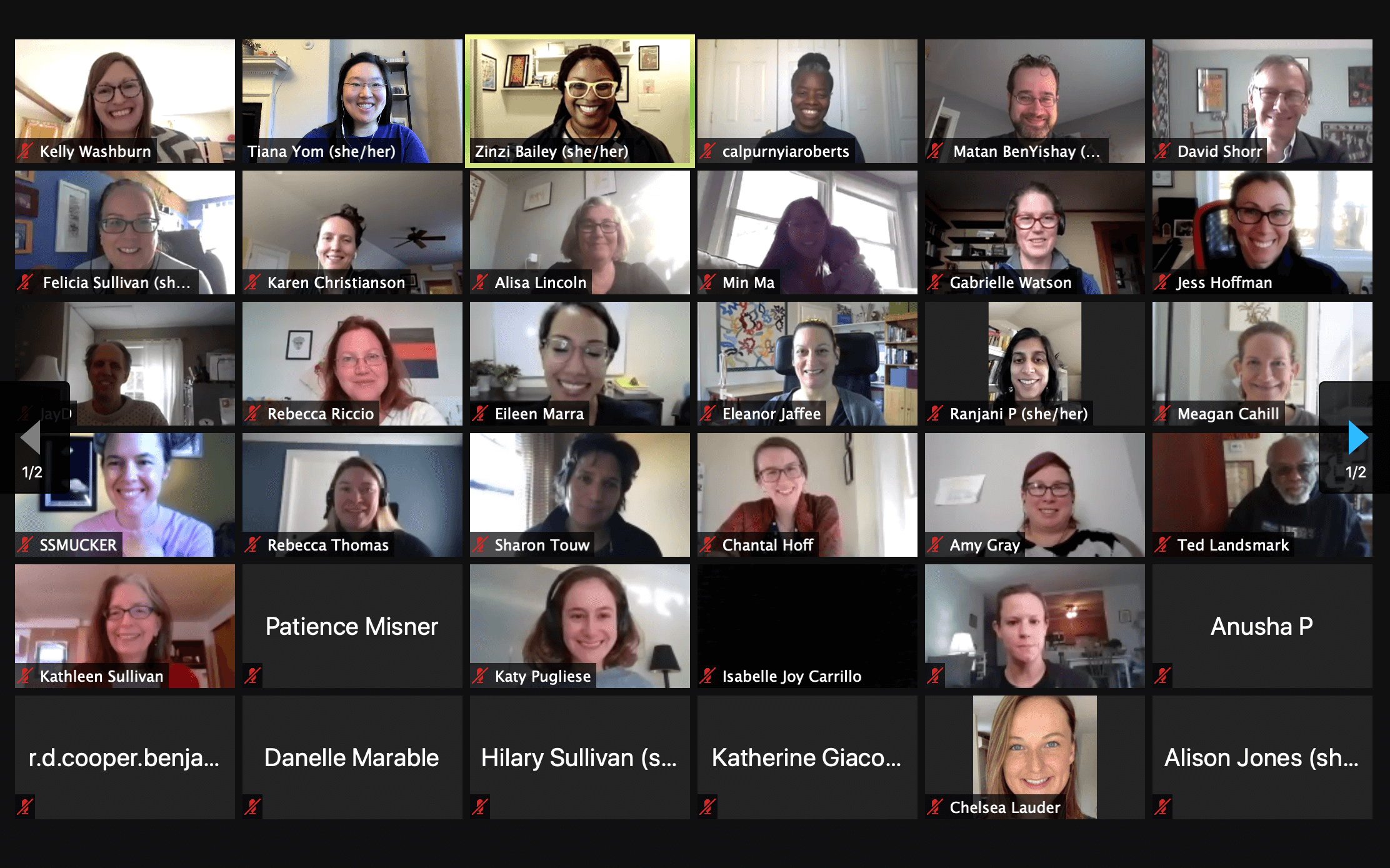
This virtual event was co-hosted by the Northeastern University Public Evaluation Lab (NU-PEL) and the Greater Boston Evaluation Network (GBEN) as part of their Culturally Responsive Evaluation (CRE) series.
Access resources from the recordings of the webinar series.
In 2020, the Northeastern University Public Evaluation Lab (NU-PEL) the Greater Boston Evaluation Network (GBEN) partnered to create a virtual, year-long professional development and training series focused on Culturally Responsive Evaluation (CRE).
The inaugural event featured Dr. Zinzi Bailey from University of Miami Miller School of Medicine and the Robert Wood Johnson Foundation’s Interdisciplinary Research Leaders program.
Dr. Bailey presented an introductory webinar on the history of CRE, guided participants through a case study of Team Justice for Native Children to show what and how CRE looks like in practice as well as provided several ways in which evaluators can actively deconstruct racist practices in evaluation and research in order to best identify and meet the needs of the community members.
Watch the webinar recording.
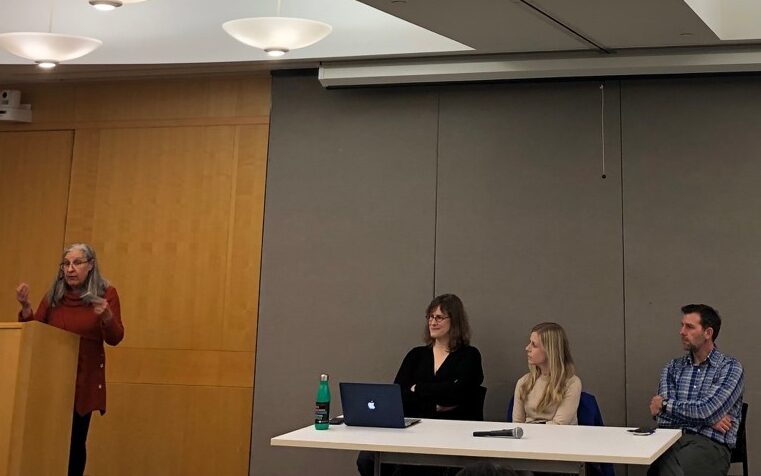
In 2019, NU-PEL and the Greater Boston Evaluation Network brought together five internal and external evaluation leaders to explore what drives the decision to engage in an impact evaluation, how to choose methodology, what lessons they have learned about communicating results, and common barriers to implementing randomized controlled trials (RCTs) or quasi-experimental impact studies.
Moderator: Laurie Dopkins, former Executive Director of Northeastern University Public Evaluation Lab
Laura Senier is an Assistant Professor in Sociology and Anthropology and Health Sciences. Her research interests include the sociology of medicine and public health, community environmental health, and environmental justice.
Dr. Laura Cordisco Tsai, is a social work researcher and practitioner specializing in human trafficking and gender-based violence (GBV). Her research broadly targets the development of more empowering and effective services for people who have been trafficked, with a specific focus on strengthening economic empowerment and re/integration support programming for human trafficking survivors in Southeast Asia.
Dr. Balvanz has led complex public health research and cultural immersion programs internationally and domestically. His research background includes international program design, training, implementation and management, quality assurance, qualitative and quantitative research design and analysis, and community engagement.