The goal of professional sports has always been to win.
Looking good while doing it? That’s just a bonus for the gawkers and connoisseurs of the body in flight.
In professional tennis, the “beauty factor” has come to find expression in one shot in particular: the one-handed backhand. The vintage stroke, so named because of its reliance on just one hand, is gradually disappearing from the professional game, as coaches, club pros and parents increasingly opt to teach beginners the more effective two-handed backhand.
That’s because the two-hander is far more suited to the modern game for beginners and professionals alike — and, experts say, easier to acquire in life’s early years.
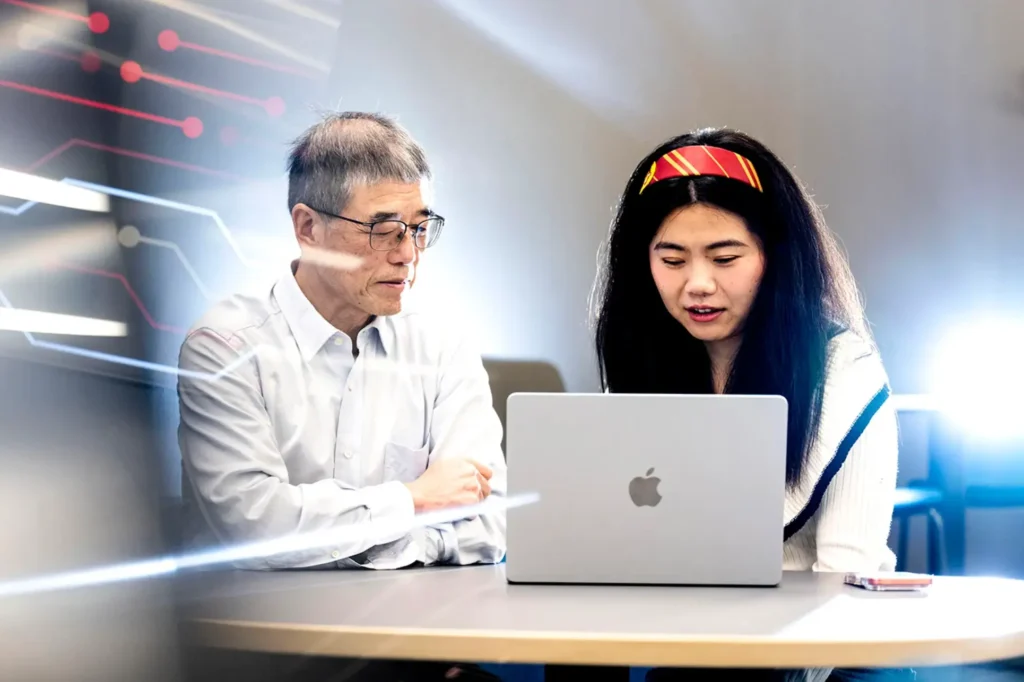
And, when it comes to acquiring the technical skills required of a sport like tennis, it’s a case of: teach them while they’re young. Rui Li, associate clinical professor and director of the exercise science program at Northeastern University, says that motor learning and skill acquisition peak during childhood years, which is the best time to pick up a racquet.
Li examined the kinetics of both backhand strokes. She says that the two-handed backhand engages more large muscle groups — including the core, back, shoulder and triceps — to provide stability.
For that reason, it’s natural for youngsters to gravitate toward the shot. The added stability also helps offset muscle fatigue, Li says — a benefit for young players as they continue to grow and develop.