Shuai Yuan’s journey through Northeastern University’s Population Health PhD program exemplifies how the right combination of community support, mentorship, and opportunity can transform a student’s academic trajectory. As an international student pursuing her “silly dreams” of bringing more causal inference methods to addiction research, Yuan has found in the program not just an education, but a launching pad for academic innovation.
Choosing Boston and Building Community
Yuan’s decision to choose Northeastern came down to four compelling factors. Having fallen in love with Boston during her master’s studies, she knew the city would be her home for the five-year doctoral journey. The program’s virtual open house sealed her decision when she connected with Professor Molnar and was matched with her current advisor, Dr. Leeman. “They were extremely supportive during my application process,” she recalls, noting the positive atmosphere that made her feel immediately welcomed.
As an international student, Yuan particularly valued Northeastern’s strong support network for international students and the faculty’s excellent grant funding track records in her program—a practical consideration crucial for research success.
A Culture of Collaboration and Growth
Yuan describes the program’s learning environment as exceptionally well-designed, with strong support from faculty, staff, and fellow students. The discussion-focused classes with small cohort sizes facilitate open communication where “students are always willing to ask any questions and share any thoughts.” This collaborative spirit extends beyond the classroom, with students and faculty regularly sharing resources, publicly available datasets, and conference opportunities.
“This is a group of people who work hard but also know how to relax, together,” Yuan observes, highlighting the program’s balance between academic rigor and community building.
Transformative Mentorship and Professional Development
Yuan’s weekly one-on-one meetings with her advisor exemplify the program’s commitment to comprehensive mentorship. Beyond learning research and grant writing skills, these sessions cover crucial academic development topics rarely taught in formal settings. “I can ask why he made a certain decision when managing a research project. These are all very critical skills a book or class won’t teach me,” she explains.
This mentorship model has been instrumental in preparing her for her goal of becoming a researcher, providing hands-on experience in the three pillars of academic life: classes, research, and teaching.
Innovation Through Collaboration
A standout experience for Yuan was volunteering to help launch the SPHERE summer program for undergraduate students interested in research. Working closely with population health faculty, staff, and fellow PhD students, she contributed to multiple stages during program preparation, from curriculum design to budget planning. When she delivered a biostatistics seminar to the program’s first cohort of six students, she felt their enthusiasm firsthand. “I was extremely proud of them, also very happy that I was a part of the team who worked to bring them this opportunity,” she reflects.
Unexpected Skills and Academic Confidence
The program has fostered skills Yuan didn’t anticipate developing, particularly in professional networking. “Before I started the program, I didn’t know how important networking is to be a researcher,” she admits. Through conference participation, she has learned to connect with the research community, finding her own pace for professional relationship building. “I am having fun and making my own researcher friends now!”
Community Support Systems
The program’s mentor-mentee system particularly impressed Yuan. New PhD students are matched with more advanced students who provide guidance through program milestones like qualifying exams. “My mentor talked to me a lot through the whole process of my qualifying exam and preparation for the oral defense, they were a tremendous help,” she notes. The flexibility and voluntary participation in this system demonstrates the community’s commitment to mutual support.
Seizing Opportunities for Growth
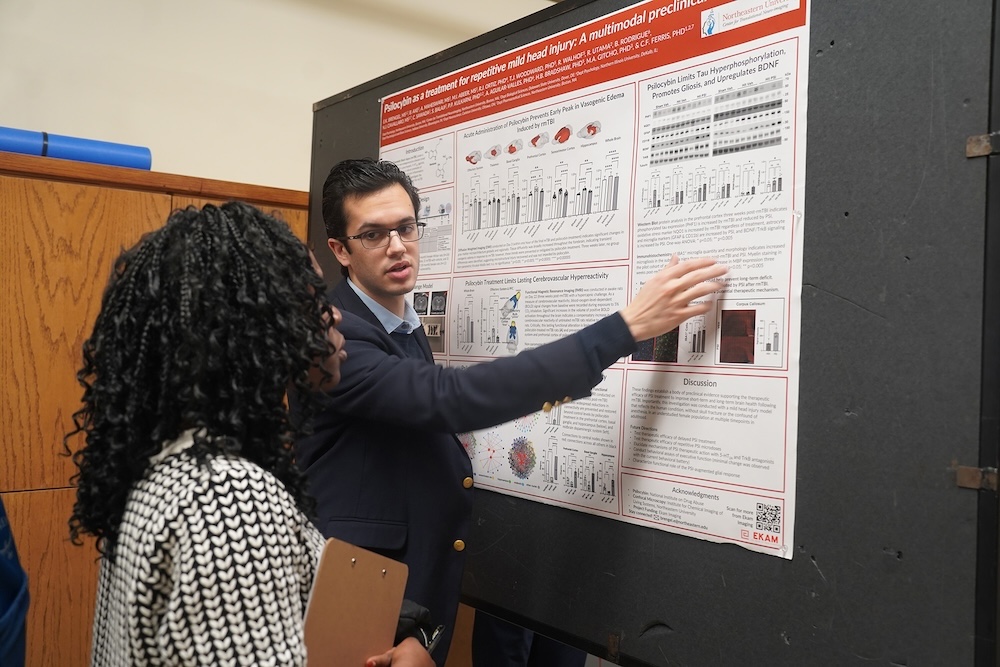
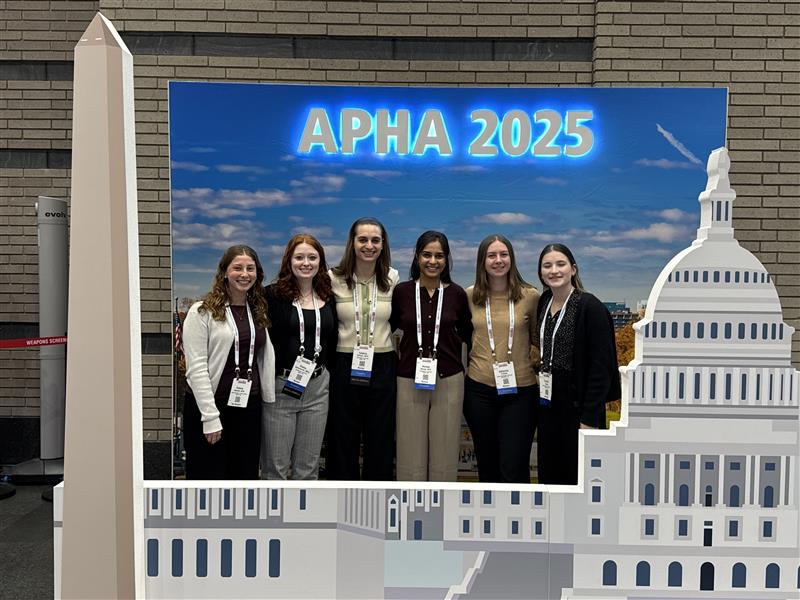
Yuan’s participation in SERvisit exemplifies the program’s culture of shared opportunity. When Dr. Luisa Smith shared information about the Society for Epidemiologic Research conference in Boston, several students applied and attended workshops and seminars. For Yuan, this experience was transformative, opening her eyes to methodological approaches and inspiring her research aspirations.
“It’s simple like that in this program. We get an email from people who have an opportunity to share, we grab it,” she explains, describing the collaborative spirit that drives innovation and discovery.
Academic Dreams Taking Shape
Yuan’s career aspirations reflect the program’s success in fostering bold thinking. She aims to become “one of the researchers who brings causal inference methods into addiction research,” recognizing that while different fields embrace varying methodological approaches, there’s tremendous potential for cross-pollination. Her dream is to advocate for causal inference methods in addiction research, starting small but thinking big about impact.
Personal and Professional Transformation
Since entering the program, Yuan has experienced three major changes: deepening her knowledge in population health subjects, becoming more familiar with academic life, and developing genuine confidence. “Instead of being blindly confident as a result of not knowing much about academia, now I can say I am certain I am being supported by the right people,” she reflects.
This transformation from uncertainty to informed confidence exemplifies the program’s effectiveness in preparing students for academic careers while maintaining their enthusiasm and ambition.
Program Strengths and Student Success
Yuan identifies the small cohort size and high faculty-to-student ratio as particular program strengths, making it easy to connect with faculty who are “always so good at listening and giving advice.” This intimate learning environment, combined with the program’s collaborative culture and comprehensive support systems, creates an ideal setting for academic growth.
Her advice to prospective students reflects the program’s values: “Find the right opportunity, set your mind on it, and really work for it with all the help you can get, that’s the way to thriving in this program.”
Yuan’s journey demonstrates how Northeastern’s Population Health PhD program nurtures not just academic excellence, but also the confidence and community connections necessary for students to pursue their most ambitious research goals. Her story illustrates that with the right support system, even “silly dreams” can become the foundation for meaningful academic contributions.